Kiwi Traveller, World Traveller and Travel Advice | Cusco, Peru – Unique Insights
Cusco: Ancient Capital of the Inca Empire, High-Altitude Basecamp & Cultural Hub of the Andes
🌍 Introduction: The Spirit of Cusco
This Cusco Travel Guide explains how to experience the Inca capital properly, from managing altitude to understanding culture, transport, and daily life. Cusco is a city that does not meet you quietly; instead, it announces itself immediately through altitude, history, and atmosphere. At approximately 3,350 metres above sea level, the air is thin enough that every breath becomes noticeable. Because of this, your pace naturally slows, your movements become deliberate, and your awareness sharpens from the very beginning.
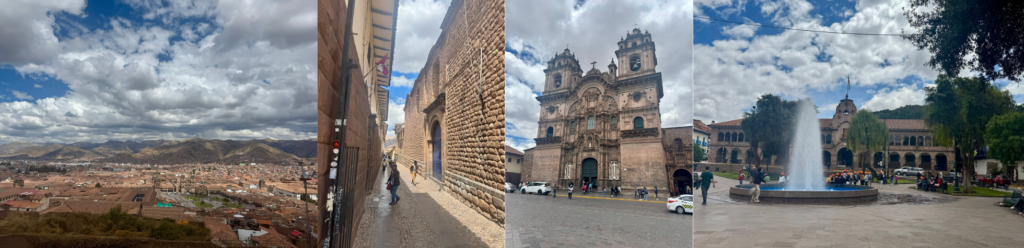
Historically, Cusco served as the capital of the Inca Empire. As a result, the city was designed with extraordinary precision and purpose. Today, that engineering legacy remains visible everywhere. For example, massive Inca stone foundations still support colonial churches, while narrow streets follow ancient pathways rather than modern grids. Consequently, history here is not confined to museums but embedded directly into everyday life.
However, Cusco is not simply a preserved monument. Rather, it is a city in constant motion. Every day, trekkers arrive to prepare for routes such as the Salkantay Trek, while others pass through en route to Machu Picchu. At the same time, locals continue to live, work, and celebrate within these ancient walls. Meanwhile, Quechua traditions coexist naturally with contemporary Peruvian culture.
Importantly, Cusco functions as both a destination and a basecamp. For this reason, it becomes the place where travellers acclimatise, regroup, and plan their journey. Therefore, this Cusco Travel Guide brings together everything required to experience the city properly. In addition, this Cusco Travel Guide covers altitude management, transport options, neighbourhoods, ruins, markets, and viewpoints. Ultimately, the Cusco Travel Guide shows how the city connects seamlessly with the rest of Peru.
Use this guide alongside:
- 👉 https://kiwitraveller1978.org/
- 👉 https://kiwitraveller1978.org/machu-picchu-travel-guide/
- 👉 https://kiwitraveller1978.org/sacred-valley-travel-guide/ (coming soon)
- 👉 https://kiwitraveller1978.org/peru-travel-guide/ (coming soon)
- 👉 https://kiwitraveller1978.org/things-to-do-in-cusco/ (coming soon)
- 👉 https://kiwitraveller1978.org/lima-travel-guide/ (coming soon)
- 👉 https://kiwitraveller1978.org/huaraz-travel-guide/ (coming soon)
✈️ Cusco Travel Guide Overview
Where Is Cusco Located?
Cusco is located in southeastern Peru, high in the Andes Mountains. Because of this location, it serves as the primary gateway to Machu Picchu, the Sacred Valley, and Peru’s most recognised trekking regions.
Altitude and Acclimatisation
- Elevation: ~3,350 metres
- As a result, travellers often experience fatigue or shortness of breath
- Therefore, the first 24–48 hours should be slow and restorative
How to Get to Cusco
✈️ Flying to Cusco
Cusco’s Alejandro Velasco Astete Airport currently operates domestic flights only. As a result, all international arrivals route through Lima.
Primary airline:
- LATAM Airlines 👉 https://www.latamairlines.com
Other airlines that fly to Cusco (via Lima or regional routes):
- Sky Airline – budget carrier with daily flights from Lima to Cusco. 👉 https://www.skyairline.com/
- JetSMART – low-cost flights linking Lima and Cusco frequently. 👉 https://www.jetsmart.com/
- Avianca – a regional airline offering connections via other South American cities into Cusco. 👉 https://www.avianca.com/
🚌 Bus Travel to Cusco (Within Peru)
Alternatively, long-distance buses offer an excellent way to reach Cusco. Personally, I travelled extensively by bus throughout Peru, including into and out of Cusco. Although journeys are longer, buses allow gradual altitude adjustment. In addition, they provide affordability and comfort.
I used Redbus the most because their app was easy to use and accepted my international credit card and Visa debit card without any problems.
Reliable operators include:
- Redbus – https://www.redbus.pe/en
- Cruz del Sur – https://www.cruzdelsur.com.pe
- Oltursa – https://www.oltursa.pe
- Civa – https://www.civa.com.pe
Why Cusco Matters
- Firstly, it was the capital of the Inca Empire
- Secondly, it is a UNESCO World Heritage Site
- Thirdly, it acts as Peru’s cultural epicentre
- Finally, it serves as the base for major Andean routes
Official reference:
🧠 Travel Hacks & Practical Tips for Cusco
Travelling in Cusco becomes far more enjoyable when a few practical realities are understood early. Because of the altitude and the city’s layout, small adjustments can make a significant difference to comfort and energy levels.
Firstly, plan your arrival intelligently. If possible, avoid landing late at night. Arriving during daylight allows you to orient yourself slowly, locate your accommodation, and eat lightly before resting. This reduces stress on your body during the initial altitude adjustment.
Secondly, carry small cash at all times. Although many cafés and hotels accept cards, markets, local eateries, taxis, and colectivos often do not. ATMs are widely available, particularly around the historic centre, but machines occasionally run out of cash during busy periods.
Thirdly, use Uber selectively. Uber operates in Cusco and is useful for airport transfers and longer distances. However, local taxis remain faster and more flexible for short trips. Always confirm the price before entering a taxi, as meters are rarely used.
Finally, layer your clothing. Cusco experiences dramatic temperature swings. Mornings and evenings can be cold, while midday sun can be intense. Dressing in layers avoids unnecessary discomfort and allows you to adapt throughout the day.
📱 Mobile Phone & SIM Card Options in Cusco
Staying connected in Cusco is straightforward, and having local data significantly improves navigation, transport use, and safety.
Main mobile networks in Peru:
Claro (Best Overall Coverage)
👉 https://www.claro.com.pe/ Strong coverage in Cusco and surrounding regions, reliable data speeds, and widely available SIM cards. Recommended for travellers continuing into the Sacred Valley or trekking regions.
Movistar
👉 https://www.movistar.com.pe/ Good urban coverage with slightly weaker performance outside the city. Acceptable as a secondary option.
Entel
👉 https://www.entel.pe/ Competitive pricing and decent city coverage, but less reliable in mountainous or remote zones.
Best option for travellers:
Claro prepaid SIM 👉 https://www.claro.com.pe/
SIM cards are available from official carrier stores, shopping centres, and authorised kiosks. Passport required.
eSIMs work well in Cusco if your device supports them, although performance depends on provider routing.
🧬 The DNA of Cusco
- Because of its altitude, the city encourages slower travel
- Moreover, Inca engineering remains unmatched
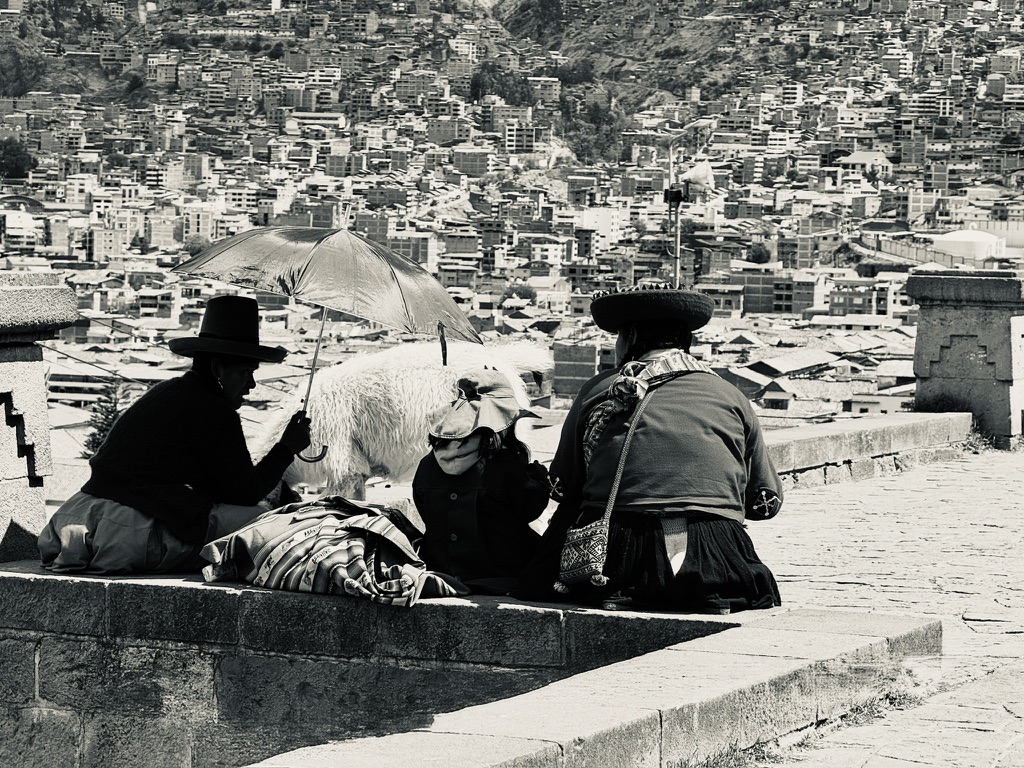
- At the same time, Quechua culture remains deeply present
- Consequently, Cusco attracts trekkers and explorers alike
- Ultimately, longer stays reveal deeper meaning
🗺️ Cusco vs Other Andean Cities
Within this guide to Cusco, comparing the city to other Andean destinations helps clarify why it holds such cultural and historical importance.
When compared regionally:
- Cusco has more historical continuity than Quito
- Likewise, it offers greater cultural density than La Paz
- Similarly, it provides easier access to ruins than Huaraz
- Meanwhile, it remains more walkable than Arequipa
- Overall, it holds unmatched spiritual significance
🚶 Visitor Patterns in Cusco
Typically:
- Travellers stay 4–7 days
- Initially, days 1–2 focus on acclimatisation
- Then, days 3–4 allow exploration
- Afterwards, travellers continue to Machu Picchu or treks
- As a result, many return to Cusco again
✅ Do’s and ❌ Don’ts in Cusco
Understanding local customs helps you move through the city respectfully and confidently.
Do:
- Take your first 24–48 hours slowly and prioritise rest
- Drink plenty of water and consider coca tea for altitude support
- Ask before photographing people, especially in traditional clothing
- Carry a light jacket or fleece year-round
- Learn basic Spanish phrases — they go a long way
Don’t:
- Rush straight into strenuous hikes on arrival
- Assume all prices are fixed — polite negotiation is common in markets
- Flash valuables in crowded areas
- Walk long distances uphill late at night when tired
- Ignore altitude symptoms — listen to your body
⚠️ Safety, Areas & Timing Cautions in Cusco
Cusco is generally safe, particularly in the historic centre and San Blas. However, awareness remains essential.
Be more cautious in:
- Peripheral neighbourhoods far from the historic centre
- Poorly lit streets after dark
- Bus terminals late at night
- Isolated viewpoints without other visitors present
Times to be more alert:
- After 9:00 pm in quiet areas
- Early mornings when streets are empty
- During festivals or large crowds (pickpocket risk)
Practical safety tips:
- Walk with confidence and purpose
- Avoid phone use near busy roads
- Keep valuables zipped and secured
- Use registered taxis or ride-share services at night
- Trust your instincts
⭐ Best Things To Do in Cusco (Overview)
For a complete overview of planning logistics, altitude tips, and transport options, explore the full city overview here:
👉 https://kiwitraveller1978.org/peru-travel-guide/ (coming soon)
🧭 Personal Stories
or many travellers, Cusco becomes the emotional anchor of their journey through Peru. While Machu Picchu delivers undeniable awe, Cusco instead delivers connection. It is not a single moment that defines the city, but rather the accumulation of small experiences — repeated walks through familiar streets, shared conversations with strangers who quickly feel less like strangers, and the slow, deliberate process of acclimatising to both altitude and place. Through this rhythm, Cusco creates memories that linger long after you leave.
For me, Cusco was the opener to something far greater than I ever expected to find. I arrived anticipating history and scenery, yet what I encountered was a feeling — one that unfolded gradually. The slower pace of life, the constant presence of hills and mountains, and the way the landscape seems to close in on you from every direction all feel intentional, almost deliberate. From nearby slopes to distant peaks, the terrain doesn’t just surround you; it calls to you. It invites curiosity, reflection, and a deeper awareness of where you are and who you are within that space.
The snow-capped peaks rising beyond the city and the wide stretches of brown Andean tundra are striking in their contrast. Both demand attention, not only for their beauty but also for the weight of history they carry. These mountains and valleys have witnessed centuries of life, struggle, belief, and survival. They hold stories layered so deeply that no single person could ever fully hear or understand them all in one lifetime. Standing there, you become acutely aware that you are merely passing through a place that has existed long before you and will endure long after.
What stood out just as strongly as the landscape, however, were the people. The people of Cusco — and Peru in general — have some of the most welcoming personalities and kindest hearts I have encountered anywhere in the world. Despite being six-foot-two, clearly foreign, and impossible to blend into a crowd, I was met with warmth at every turn. Without exception, people greeted me with buen día, buenas tardes, or a simple smile and nod. It didn’t matter who you were or what time of day it was — that sense of acknowledgment and respect stayed with me, and it still does.
Transportation throughout Peru was another pleasant surprise. Whether using Uber, local taxis, or long-distance buses, I found the system to be reliable, efficient, and remarkably affordable. Most trips cost only a few dollars, depending on distance, making it easy to move around without stress. For excursions beyond the city, daily tours to major attractions are readily available. Places such as Montaña de Siete Colores — also known as Rainbow Mountain (Vinicunca) — can be accessed through numerous tour operators, offering a range of options depending on budget and comfort level. Planning these experiences never felt complicated or overwhelming.
Food in Cusco is something that deserves its own moment. The culinary scene is far richer than many travellers expect. From traditional dishes to modern interpretations, the variety is impressive. You can try local specialties such as cuy — pronounced kwee — the traditional guinea pig, or enjoy what may well be some of the best roast chicken you’ll ever taste. While familiar fast-food chains like KFC exist, they feel almost irrelevant here. You can eat that anywhere in the world. In Cusco, the real reward lies in embracing local flavours.
Beyond traditional cuisine, the city offers an unexpected diversity of food styles. From burgers and sandwiches to Asian-inspired fusion and contemporary cafés, Cusco caters to every appetite without losing its local identity. Eating here becomes part of the exploration, another way to understand how the city blends tradition with modern influence.
Ultimately, Cusco is not just a place you visit on the way to somewhere else. It is a place that gently slows you down, challenges your expectations, and quietly reshapes how you experience Peru. Long after the landmarks fade into memory, it is Cusco — its people, pace, landscape, and atmosphere — that stays with you.
🔮 The Future of Cusco
Looking ahead, Cusco continues to evolve:
- Firstly, through heritage protection
- Secondly, through sustainable tourism
- Additionally, through pedestrian expansion
- Consequently, through cultural preservation
🎒 Local Insight for Slow Travel
Cusco rewards patience. Travellers who slow down, stay longer, and resist rushing between highlights often describe deeper, more meaningful experiences. Many who plan short visits end up extending their stay — not because of attractions alone, but because of how the city begins to shape their rhythm and perspective.
📌 Key Takeaways
- Therefore, Cusco is essential for acclimatisation
- Likewise, it is Peru’s cultural core
- Moreover, it is the ideal base for exploration
- Ultimately, it rewards slow travel
🏁 Conclusion
Cusco is not merely the start of a Peru itinerary. Instead, it is the foundation upon which the entire Andean experience is built. Whether you arrive by LATAM Airlines from Lima or alternatively reach the city after a long bus journey, the transition into Cusco marks a clear shift in pace and perspective.
While flying offers efficiency, bus travel, as I experienced throughout Peru, allows landscapes to change gradually. As a result, the journey itself becomes part of the experience. Regardless of how you arrive, Cusco demands patience. In return, it offers depth, balance, and meaning.
📣 Call to Action
Therefore, let Cusco become the heart of your Peru journey. Use this Cusco Travel Guide as your base and then connect it with the guides below to plan confidently.
- 👉 https://kiwitraveller1978.org/
- 👉 https://kiwitraveller1978.org/salkantay-trek-guide/ (coming soon)
- 👉 https://kiwitraveller1978.org/machu-picchu-travel-guide/
- 👉 https://kiwitraveller1978.org/sacred-valley-travel-guide/ (coming soon)
- 👉 https://kiwitraveller1978.org/peru-travel-guide/ (coming soon)
🔗 Social media
📸 Instagram: https://www.instagram.com/kiwitraveller1978
▶️ YouTube: https://www.youtube.com/@kiwitraveller1978
🙋♂️ FAQ: Kiwi Traveller, World Traveller and Travel Advice
Is Cusco safe?
Yes. Cusco is generally safe, especially in the historic centre and San Blas. However, standard awareness applies — watch for pickpocketing in busy areas and use registered taxis or ride-share services.
How long should I stay?
Ideally 4–7 days, as this allows proper acclimatisation while still giving you time to explore the city and nearby attractions without rushing.
Is altitude sickness common?
Yes. Because Cusco sits at high altitude, symptoms such as headaches and fatigue are common. Therefore, rest on arrival, stay hydrated, and keep your first day light.
Best time to visit?
The dry season (May–September) offers the best weather for sightseeing and trekking, with clear days and cooler nights.