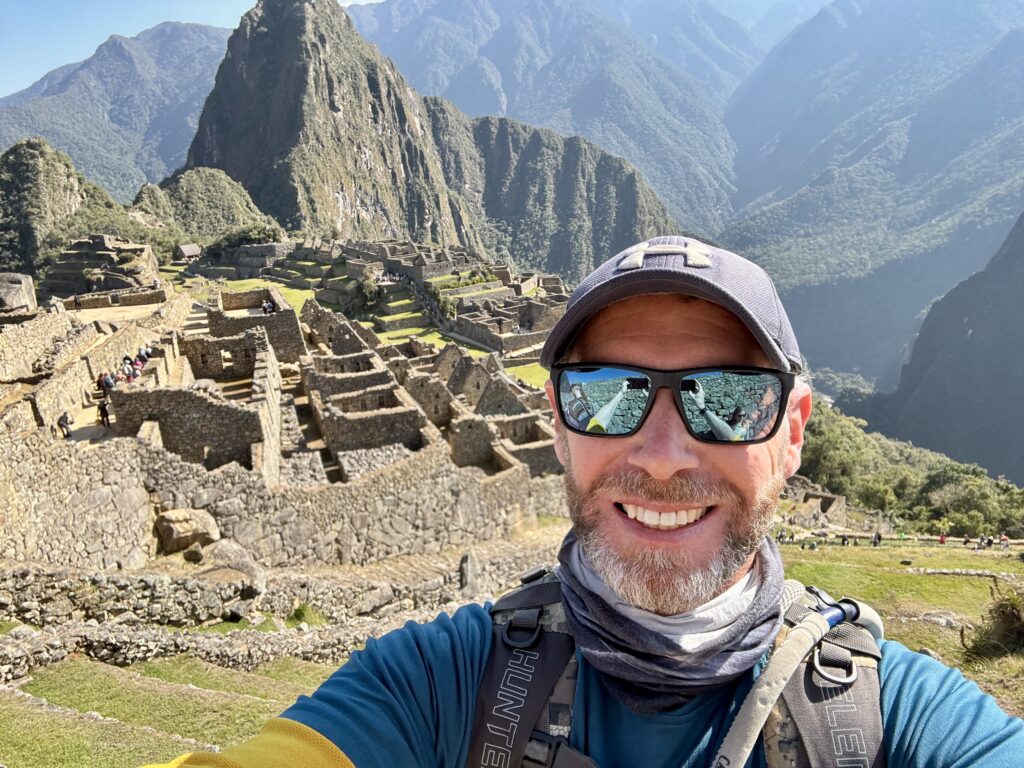

Machu Picchu: Lost City of the Inca, Andean Masterpiece & Sacred Mountain Sanctuary
🌍 Introduction: The Power of Machu Picchu
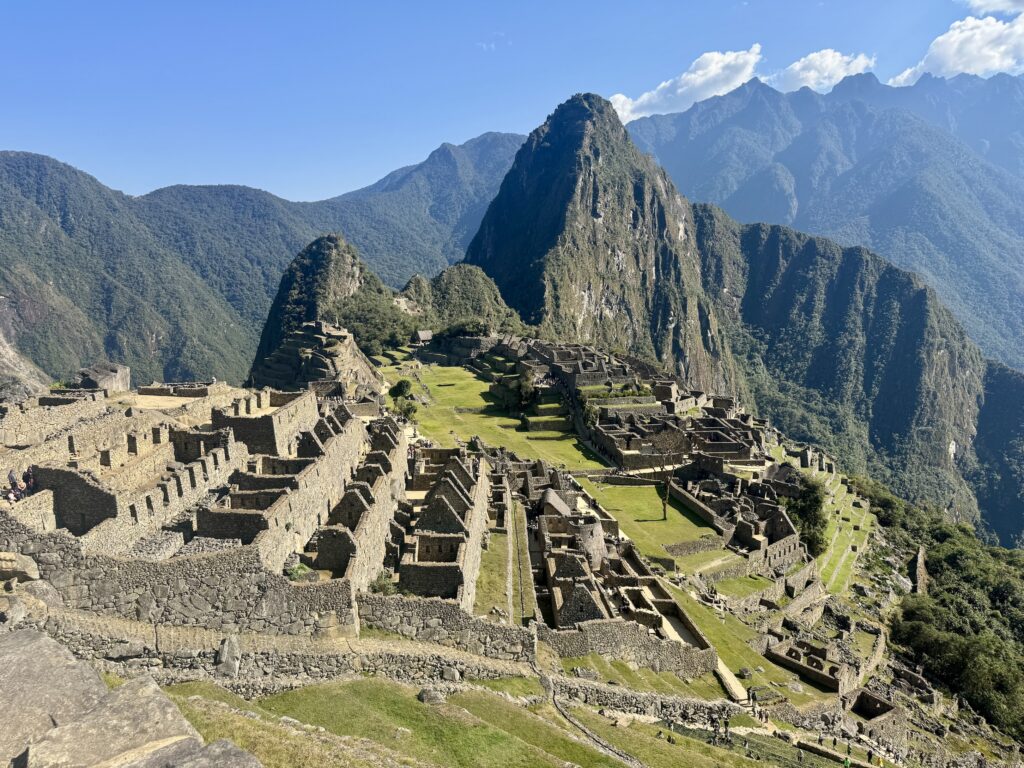
This Machu Picchu Travel Guide explains how to experience one of the world’s most iconic archaeological sites properly, from access routes and ticketing to altitude considerations, history, and visitor flow. Machu Picchu does not introduce itself gradually. Instead, it reveals itself through scale, silence, and precision the moment it comes into view. Suspended above the Urubamba River Valley, the site feels deliberately placed beyond easy reach, as though it chose isolation as a form of protection.
Historically, Machu Picchu was constructed during the reign of the Inca emperor Pachacuti in the 15th century. As a result, it represents the height of Inca engineering, astronomical understanding, and stone craftsmanship. Despite centuries of exposure to extreme mountain conditions, the site remains remarkably intact. Consequently, its survival continues to challenge modern assumptions about pre-industrial engineering capabilities.
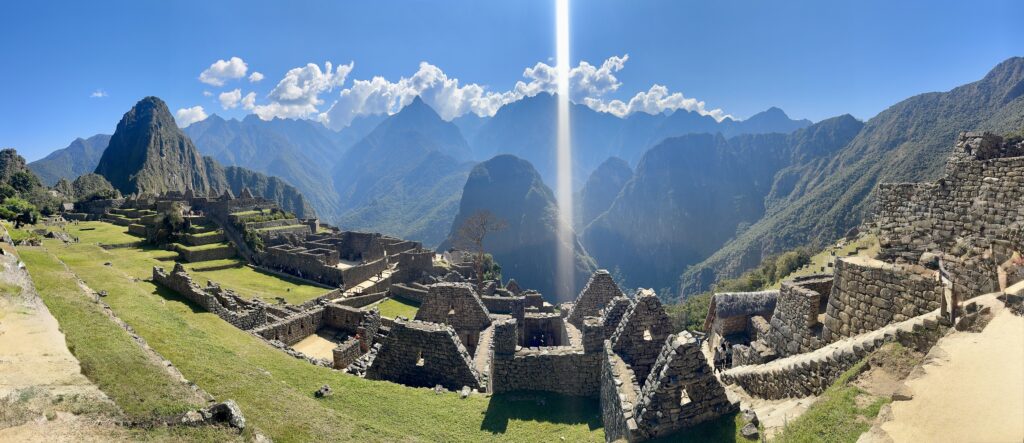
However, Machu Picchu is not simply a collection of ruins frozen in time. Rather, it is a living landscape shaped equally by stone, weather, and geography. Clouds roll through the citadel without warning, light shifts minute by minute, and the surrounding peaks impose a constant sense of scale. Therefore, the experience changes continuously, depending on timing, weather, and presence.
Importantly, Machu Picchu is not accessed casually. Because of its protected status, visitor numbers, entry times, and walking circuits are tightly regulated. For this reason, preparation is essential. Therefore, this Machu Picchu Travel Guide brings together everything required to experience the site properly. In addition, it explains transport logistics, ticket structures, circuit systems, and timing strategies. Ultimately, this Machu Picchu Travel Guide shows how Machu Picchu fits naturally within a wider journey through Cusco, the Sacred Valley, and Peru as a whole.
Use this guide alongside:
👉 https://kiwitraveller1978.org
👉 https://kiwitraveller1978.org/cusco-travel-guide/
👉 https://kiwitraveller1978.org/sacred-valley-travel-guide/
👉 https://kiwitraveller1978.org/salkantay-trek-guide/
👉 https://kiwitraveller1978.org/peru-travel-guide/
✈️ Machu Picchu Travel Guide Overview
Where Is Machu Picchu Located?
Machu Picchu is located in southern Peru, high in the Andes Mountains above the Sacred Valley of the Incas. Because of its position within steep, forested terrain, the site is not accessible by road. Instead, travellers must combine rail travel, shuttle buses, or multi-day trekking routes to reach it.
Altitude and Acclimatisation
- Elevation: ~2,430 metres
- As a result, altitude effects are generally milder than in Cusco
- However, prior acclimatisation is still recommended
- Therefore, most travellers spend time in Cusco or the Sacred Valley first
🚆 How to Get to Machu Picchu
Step One: Reach Aguas Calientes (Machu Picchu Pueblo)
Aguas Calientes is the gateway town to Machu Picchu. Because there are no roads leading into the town, access is limited to rail or trekking routes. As a result, all visitors must plan their approach carefully.
Train Options
Primary rail operators include:
- PeruRail 👉 https://www.perurail.com
- Inca Rail 👉 https://www.incarail.com
Most trains depart from Ollantaytambo or Cusco (Poroy or San Pedro stations). Consequently, many travellers choose to base themselves in the Sacred Valley to simplify early departures and reduce travel fatigue.
Step Two: Bus or Hike to the Citadel
From Aguas Calientes:
- Shuttle buses operate continuously to the entrance gate
- Alternatively, a steep hiking trail ascends directly
- As a result, visitors can choose comfort, time efficiency, or physical challenge
🏛️ Why Machu Picchu Matters
Firstly, it is recognised as one of the New Seven Wonders of the World
Secondly, it is designated as a UNESCO World Heritage Site
Thirdly, it represents peak Inca architectural achievement
Finally, it continues to hold cultural and spiritual significance
Official reference:
🧬 The DNA of Machu Picchu
Because of its geographic isolation, the site feels intentionally concealed
Moreover, its dry-stone construction remains earthquake-resistant
At the same time, astronomical alignment is evident throughout the complex
Consequently, Machu Picchu functions as both ceremonial space and observatory
Ultimately, time spent here encourages stillness and reflection
🗺️ Machu Picchu vs Other Inca Sites
Within this Machu Picchu Travel Guide, comparison helps clarify why the site holds such global importance.
When compared regionally:
- Machu Picchu is more complete than Ollantaytambo
- Likewise, it is more isolated than Pisac
- Similarly, it holds greater recognition than Choquequirao
- Meanwhile, it remains better preserved than many Sacred Valley ruins
- Overall, it stands alone in scale, symbolism, and impact
🚶 Visitor Patterns at Machu Picchu
Typically:
- Visits last approximately 2–4 hours
- Entry is strictly time-slotted
- Movement follows pre-defined circuits
- Licensed guides are commonly used
- As a result, efficient planning significantly improves the experience
⭐ Best Ways to Experience Machu Picchu
For detailed ticketing options, circuit explanations, and route planning, explore the full breakdown here:
👉 https://www.machupicchu.gob.pe/?lang=en
🧭 Personal Stories
Arrival After the Salkantay Trek
For many travellers, Machu Picchu represents the culmination of months or even years of anticipation. For me, it was the icing on top of the cake after four hard days of hiking through the Salkantay Pass. Arriving in the town of Aguas Calientes, with its bustling, somewhat chaotic streets and brightly lit stores and bars, you appreciate the silence of the hike that led you there, even as you stand in quiet wonder at how energetic and entertaining the town feels.
First Impressions Inside the Citadel
Arriving at Machu Picchu felt less dramatic than it felt grounding. It is often imagined long before it is experienced. However, standing within the stone walls quickly reveals that no photograph or description fully prepares you for how the place feels. The site did not overwhelm me. Instead, it settled around me. As clouds drifted across the surrounding peaks and sunlight moved slowly across terraces and stone corridors, the city revealed itself layer by layer. Nothing felt rushed. Nothing felt staged.
Precision, Design, and Guidance
What stood out most was the precision. The stones fit together so perfectly that the absence of mortar becomes impossible to ignore. Everything appears carved into the mountain rather than built upon it. From agricultural terraces to ceremonial spaces, the city feels inseparable from the landscape that holds it. Having a knowledgeable guide to expand on what I already knew of the site was one of the strongest decisions I made. Their insight added depth and context, making the experience feel more immersive and personal.
Finding Stillness Among Visitors
Despite the steady flow of visitors, moments of quiet remain easy to find. By pausing, stepping aside, and allowing others to move ahead, Machu Picchu reveals stillness. In those moments, the sound of wind and the distant river replaces conversation, and the site feels less like an attraction and more like a presence.
Presence Over Time Spent
Ultimately, Machu Picchu is not defined by how long you spend there, but by how present you allow yourself to be. It does not reward speed or distraction. Instead, it rewards awareness.
🔮 The Future of Machu Picchu
Looking ahead, Machu Picchu continues to evolve:
Firstly, through strict visitor caps
Secondly, through circuit-based movement control
Additionally, through conservation-focused policies
Consequently, through long-term preservation efforts
📌 Key Takeaways
Therefore, advance planning is essential
Likewise, acclimatisation improves comfort
Moreover, timing affects atmosphere and visibility
Ultimately, Machu Picchu rewards slow, intentional travel
🏁 Conclusion
Machu Picchu is not simply a destination you visit and leave behind. Instead, it becomes a reference point — a place that quietly reshapes how you think about history, landscape, and human capability. Whether you arrive by train through the Sacred Valley or approach the site after days of trekking, the moment you step through the entrance creates a clear shift in awareness.
The journey to Machu Picchu demands coordination, patience, and intention. You must secure tickets well in advance, as Circuit 2 — the most popular — often carries a waiting list of up to three months, alongside Circuits 1 and 3. Travellers must plan routes carefully and respect strict timing rules. However, this effort forms part of the experience rather than an inconvenience. Each step toward the citadel strengthens the sense that you earn this place rather than simply consume it.
Although the world often presents Machu Picchu as a spectacle, the reality feels far more subtle. The site does not shout for attention. Instead, it invites presence. Stone walls, terraces, and surrounding peaks combine to create an atmosphere that feels powerful yet restrained. You leave not with sensory overload, but with clarity.
Long after the journey ends, a single viewpoint or photograph does not dominate your memory. Instead, the feeling of standing somewhere that has endured centuries of weather, belief, and silence remains strongest. Machu Picchu lingers not because of what you see, but because of what it allows you to feel.
For me, the visit to Machu Picchu meant far more than becoming another number moving through its walls and pathways. It meant acknowledging a once-mighty empire and recognising how history finds ways to speak again. Awe held me throughout the experience, and I felt privileged to take part, even briefly, in its ongoing story.
📣 Call to Action
If Machu Picchu is part of your journey through Peru, allow it the time and preparation it deserves. Use this Machu Picchu Travel Guide as a planning foundation, not just for logistics, but for understanding how the site fits into the wider Andean experience. When combined thoughtfully with Cusco, the Sacred Valley, and Peru’s trekking routes, Machu Picchu becomes more than a highlight — it becomes a meaningful chapter within a much larger journey.
Explore the connected guides below to plan with clarity and confidence:
👉 https://kiwitraveller1978.org/
👉 https://kiwitraveller1978.org/cusco-travel-guide/
👉 https://kiwitraveller1978.org/sacred-valley-travel-guide/ (coming soon)
👉 https://kiwitraveller1978.org/salkantay-trek-guide/ (coming soon)
👉 https://kiwitraveller1978.org/peru-travel-guide/ (coming soon)
🔗 Social media
📸 Instagram: https://www.instagram.com/kiwitraveller1978
▶️ YouTube: https://www.youtube.com/@kiwitraveller1978
❓ FAQ
Is Machu Picchu safe?
Yes. However, visitors should follow circuit rules and wear suitable footwear.
How long should I plan to spend there?
Typically 2–4 hours, depending on your assigned circuit. Circuit 2 is the most requested, followed by Circuit 1 and then 3A, B and C
Do I need a guide?
A guide is optional, but it can add valuable historical context.
Best time to visit?
The dry season (May–September), with early morning entry preferred. The bus lines (if you are taking the bus) can be hectic and the lines are huge. They do move quickly once they get going.